


Fibre products groups
Purpose:
-Enhanced Durability: Fibers improve the resistance of concrete to abrasion, impact, and wear, which are common in mining operations. -Crack Control: Fibers minimize the formation and propagation of cracks caused by shrinkage, thermal changes, and dynamic loads. -Improved Toughness: Fibers increase the energy absorption capacity of concrete, making it more resistant to sudden impacts or blast loads. -Reduced Permeability: By controlling cracks, fibers reduce the permeability of concrete, enhancing its resistance to water and chemical penetration. -Replacement or Supplement to Rebar: In some applications, fibers can partially or fully replace traditional steel reinforcement, simplifying construction and reducing costs. -Faster Construction: Fibers are easy to mix into concrete, reducing the need for additional reinforcement and speeding up construction timelines.
How do inhibitors work?
Concrete reinforcement fiber products are widely used in the mining industry to enhance the performance and durability of concrete structures subjected to harsh and demanding conditions. Mining environments often involve heavy loads, dynamic stresses, abrasion, and exposure to chemicals, making reinforced concrete essential for safety and longevity. Fibers are added to concrete to improve its tensile strength, crack resistance, and overall toughness, ensuring that mining structures can withstand these challenging conditions.
Types:

Steel Fibers
Made from carbon or stainless steel. High tensile strength and durability. Ideal for shotcrete applications in tunneling, mine shafts, and slope stabilization.

Synthetic Macro Fibers
Made from polymers like polypropylene or polyester. Lightweight and resistant to chemicals. Used in shotcrete and concrete linings for underground mining.

Polypropylene Fibers
Synthetic fibers that control plastic shrinkage cracks. Used in secondary lining and non-structural applications in mining.

Basalt Fibers
Made from volcanic rock. High resistance to temperature, chemicals, and corrosion. Suitable for shotcrete and concrete linings in aggressive mining environments.
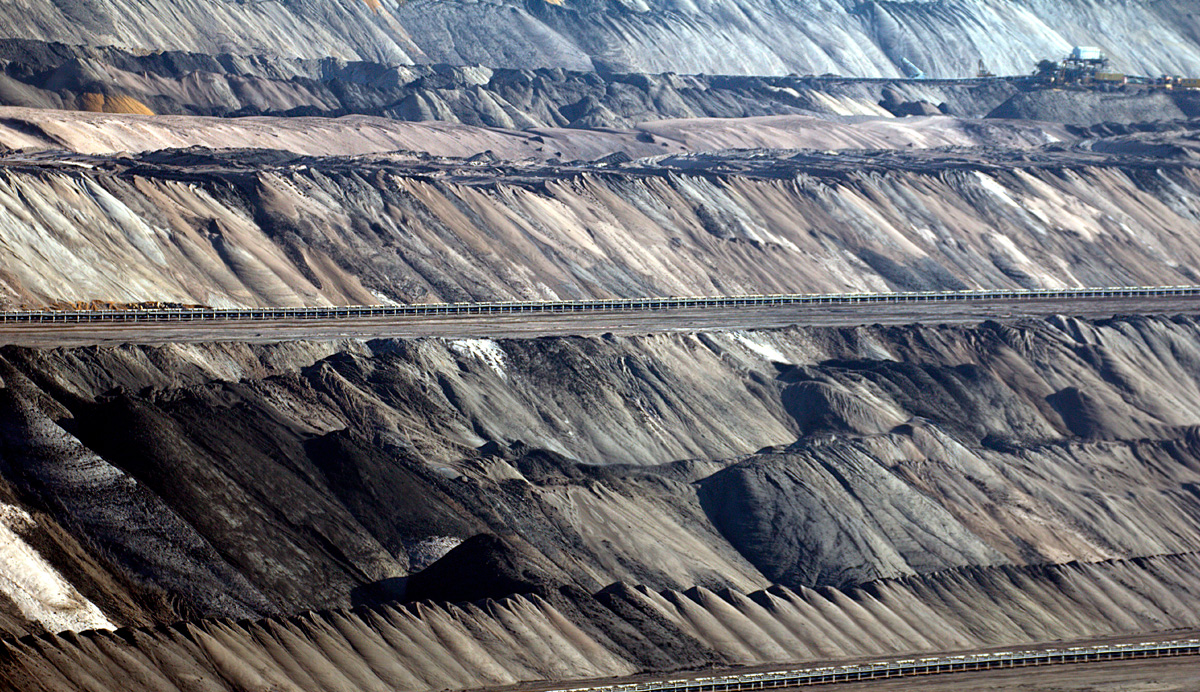
Glass Fibers
Alkali-resistant glass fibers. Used in thin-shell structures and precast elements for mining infrastructure.
Application areas:
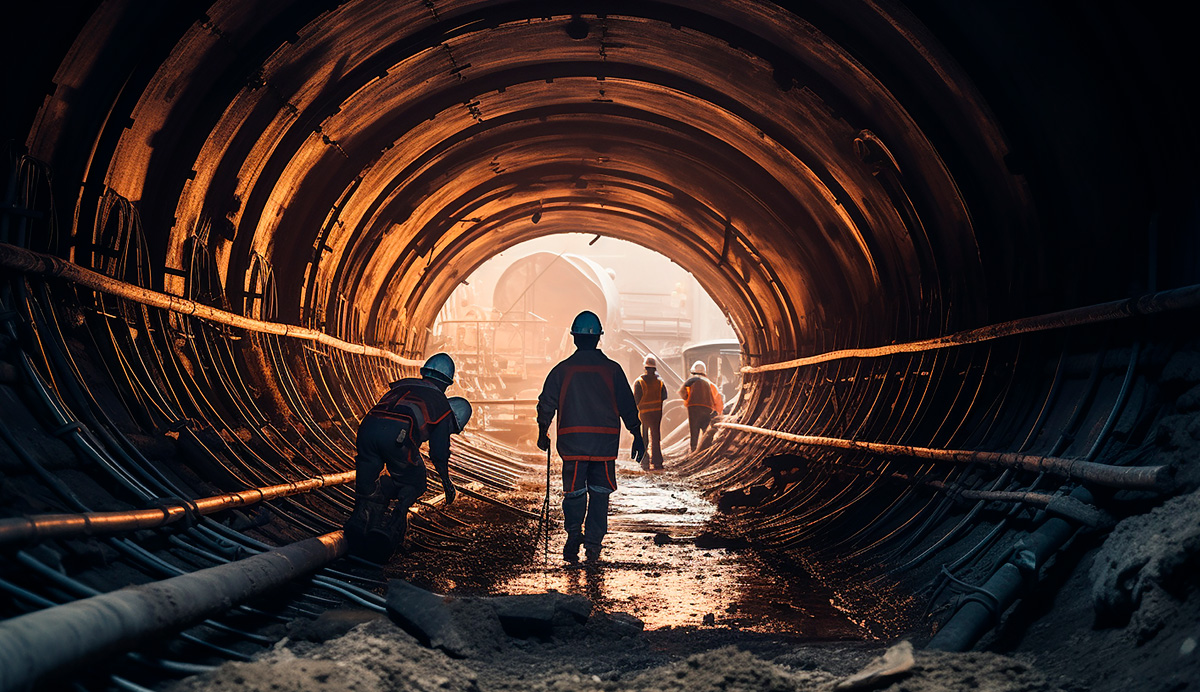
Shotcrete for Tunnel Linings
Steel and synthetic fibers are added to shotcrete to stabilize tunnels, mine shafts, and underground passages. Improves adhesion, reduces rebound, and enhances durability.

Mine Shafts and Drifts
Fibers reinforce concrete linings in vertical and horizontal mine shafts, providing structural stability and resistance to ground movement.

Slope Stabilization
Fiber-reinforced shotcrete is used to stabilize slopes and prevent rockfalls in open-pit and underground mines.

Ore Passes and Chutes
Fibers enhance the abrasion resistance of concrete in ore passes and chutes, which are subject to heavy wear from falling rocks and minerals.

Pumping Stations and Sumps
Fiber-reinforced concrete is used in water management structures to resist chemical corrosion and abrasion.

Blast-Resistant Structures
High-performance fibers like steel and basalt are used in structures requiring blast resistance, such as mine entrances and storage facilities.

Concrete Floors and Pavements
Fibers are used in mine floors and pavements to improve durability and resistance to heavy equipment and traffic.

Precast Elements
Fiber-reinforced precast concrete is used for modular structures, such as barriers, walls, and support elements in mining operations.

Repair and Rehabilitation
Fibers are added to repair mortars and overlays to restore and strengthen damaged mining infrastructure.
Advantages:

STRENGTH
Increasing the service life of concrete

PROTECTION
Preventing destruction

SAVING
Reducing repair costs
Feedback:
Request a consultation
and get an individual
calculation
Our experts will help you choose
the optimal solution for your project.
Additionally:

